Scott 3200A Tailwheel – Fully Rebuilt: Precision Steering for Taildragger Aircraft
Scott 3200A Tailwheel – Fully Rebuilt: Precision Steering for Taildragger Aircraft
Blog Article
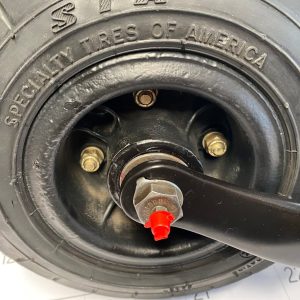
The Scott 3200A Tailwheel – Fully Rebuilt provides aircraft owners, pilots, maintenance facilities, and restoration specialists with a renewed tailwheel solution developed for compatible conventional-gear aircraft. Clear rebuild records help aircraft owners and maintenance professionals evaluate the tailwheel before installation.
The Scott 3200A Tailwheel Assembly combines wheel support, directional steering, swiveling capability, and tail-load management within one compact component. The Scott Tailwheel Assembly may contain bearings, bushings, springs, steering pawls, arms, wheel components, axle hardware, fasteners, and internal wear surfaces.
A worn or incorrectly configured Aircraft Tailwheel Assembly can contribute to shimmy, poor tracking, binding, excessive swivel, uneven tire wear, or difficult maneuvering. A General Aviation Tailwheel may be used on training aircraft, classic taildraggers, bush airplanes, utility platforms, experimental aircraft, and restored vintage designs.
Whether buyers need an Aircraft Tailwheel, Taildragger Tailwheel, or complete Aviation Tailwheel System, model identification and rebuild details should be verified.
Key Benefits of a Rebuilt Scott 3200A
A fully rebuilt Scott 3200A may offer practical value when its identity, condition, rebuild scope, and aircraft compatibility are confirmed. Maintenance personnel should inspect the complete website tailwheel arrangement before concluding that one component is responsible for steering difficulty or shimmy.
Scott 3200A Tailwheel Applications
The assembly is intended to withstand repeated ground operation when installed, adjusted, lubricated, and serviced correctly. The exact work completed should be listed clearly because rebuilt assemblies may differ in scope and component replacement.
Evaluating a Rebuilt Scott Tailwheel Assembly
Worn components should be replaced while retained items should meet suitable inspection criteria. Transparent rebuild information supports stronger commercial credibility and buyer confidence.
How an Aircraft Tailwheel Assembly Works
The assembly should move freely enough for intended operation while avoiding uncontrolled swivel or excessive looseness. Incorrect linkage tension can cause delayed steering, harsh engagement, restricted movement, or unnecessary component loading.
Choosing a General Aviation Tailwheel
Each operating environment places different demands on the tire, wheel, fork, bearings, steering mechanism, hardware, and lubrication. Experimental aircraft installations should be evaluated according to the builder’s configuration and applicable operational requirements.
Choosing an Aircraft Tailwheel
An Aircraft Tailwheel supports the rear fuselage and helps the airplane move during taxiing, parking, turning, takeoff, and landing. The wheel should rotate smoothly without excessive side play, roughness, binding, or abnormal drag.
Taildragger Tailwheel Performance
A Taildragger Tailwheel assists conventional-gear aircraft with directional control during taxi, takeoff, landing, and ramp maneuvering. Repeated hard pivoting can increase wear on the tire, bearings, springs, steering arms, fork, and mounting hardware.
Understanding an Aviation Tailwheel System
A worn tail spring or loose mounting bolt may cause poor tracking even when the rebuilt tailwheel remains mechanically serviceable. Springs should remain free from distortion, corrosion, cracking, broken coils, or unsuitable substitution.
Tailwheel Steering Assembly Performance
Springs, pawls, bushings, bearings, steering arms, and internal contact surfaces can influence steering response. The mechanism should not interfere with surrounding structure, chains, springs, fairings, or nearby aircraft components.
Benefits of an Aircraft Ground Handling Tailwheel
A correctly adjusted tailwheel may support smoother maneuvering without excessive brake use. Ground personnel should avoid forcing the aircraft beyond suitable steering limits.
Maintaining Scott 3200 Series Components
A professionally rebuilt Scott 3200A can continue this design heritage while offering renewed mechanical condition. Different Scott 3200 variants, later manufacturing versions, replacement parts, and modified assemblies may exist.
Maintaining a Heavy-Duty Aircraft Tailwheel
Professional review remains necessary before fitting a Heavy-Duty Aircraft Tailwheel. Preventive maintenance supports reliable Heavy-Duty Aircraft Tailwheel operation.
Buying Tailwheel Aircraft Parts
Tailwheel Aircraft Parts may include wheels, tires, bearings, axles, forks, steering arms, springs, pawls, bushings, seals, chains, bolts, and mounting hardware. A weak spring, worn bushing, rough bearing, damaged pawl, or incorrect fastener may create movement throughout the mechanism.
Maintaining Aircraft Steering Components
Alignment and steering-link condition influence how accurately the wheel follows pilot input. A complete review supports reliable Aircraft Steering Tailwheel performance.
Choosing a Replacement Aircraft Tailwheel
The rebuilt Scott 3200A should be compared with both the existing installation and the intended aircraft configuration. A professional pre-installation review protects both the aircraft and the buyer’s investment.
General Aviation Landing Gear Parts
Each component contributes to aircraft support, ground control, steering, braking, or load absorption. Known limitations and damage should remain clearly disclosed.
Scott Tailwheel Condition Checklist
The rebuild date and identity of the rebuilder should be provided where available.
- Resolve identification, compatibility, and completeness questions before payment.
- Inspect the assembly for cracks, corrosion, bending, damaged threads, enlarged holes, fork distortion, tire wear, rough rotation, and excessive looseness.
- Confirm the seller’s terms, written invoice, rebuild documents, payment protection, shipping insurance, packaging method, inspection period, and return conditions.
Commissioning a Rebuilt Scott 3200A
Every fastener and component should match the intended installation and remain properly secured. The tailwheel should move through its intended range without binding, abnormal looseness, interference, or contact with surrounding components.
Pilots should report delayed steering, pulling, vibration, noise, binding, or irregular swivel behavior.
Protecting a Rebuilt Tailwheel Assembly
Aircraft operating from dirt, grass, gravel, mud, or backcountry strips may require more frequent attention. Pilots should inspect the tailwheel before operation for tire damage, loose hardware, bent parts, steering-link condition, contamination, corrosion, and visible misalignment.
Responsible care supports dependable Scott Tailwheel Assembly performance.
Choosing the Scott 3200A Tailwheel – Fully Rebuilt
For the correct installation, the rebuilt assembly can support directional steering, controlled swiveling, predictable taxiing, and long-term serviceability. A qualified aircraft maintenance professional should evaluate the complete installation before the tailwheel is returned to operational service.
Whether the requirement is a Scott 3200A Tailwheel Assembly, Scott Tailwheel Assembly, Aircraft Tailwheel Assembly, or General Aviation Tailwheel, exact installation details should guide the purchase. With verified compatibility, correct installation, professional steering adjustment, suitable lubrication, and routine inspection, the assembly can provide dependable long-term value.
Report this page